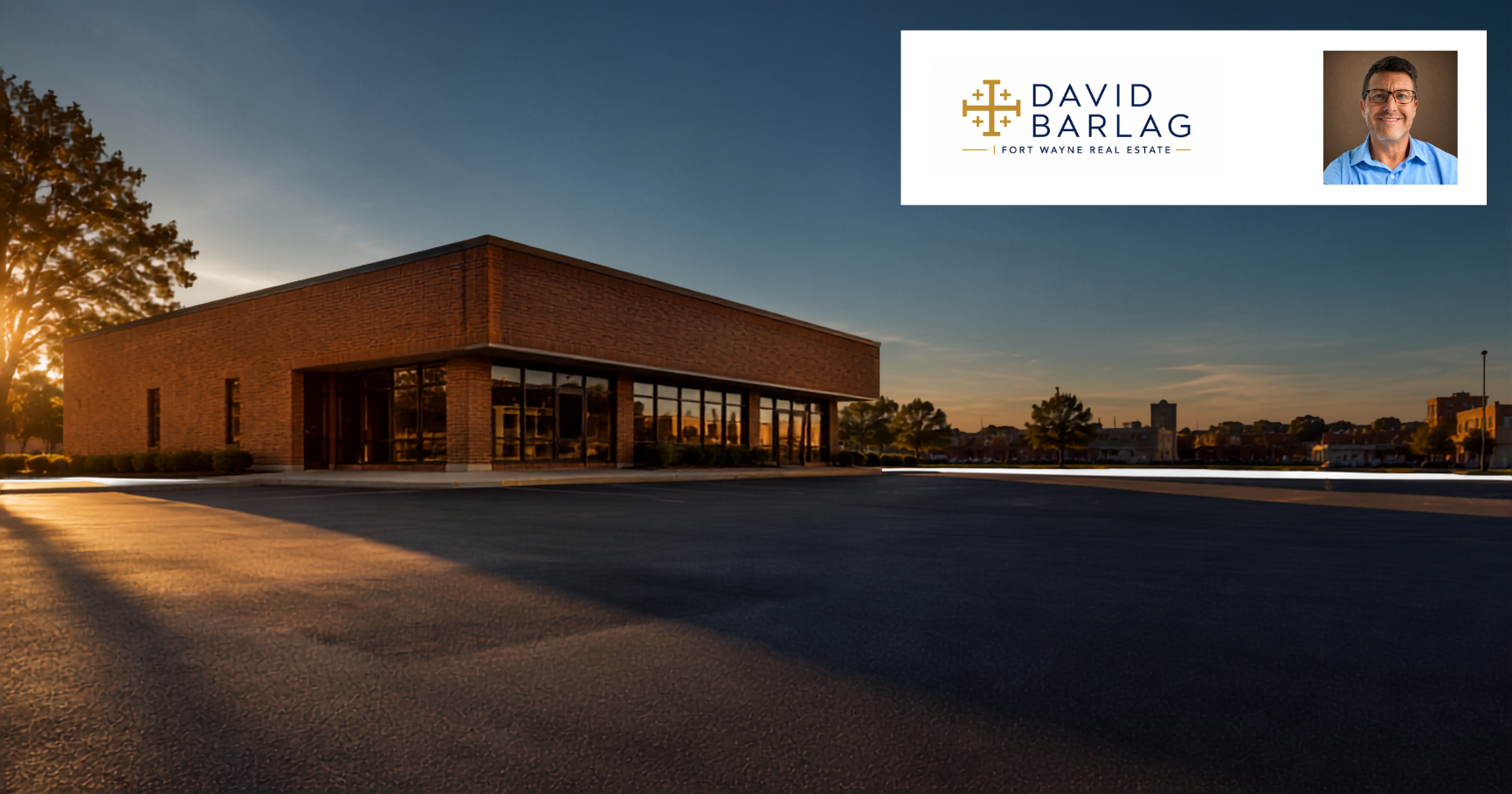
A while back I represented a buyer on a commercial building here in Fort Wayne. Cash offer, clean terms, a serious buyer who knew exactly what he wanted — a real cash buyer, not the kind hiding behind the “we buy houses for cash” signs you see stapled to telephone poles. The building had an older history. It had been used for auto-related work years earlier, and that kind of past is exactly why, before we got too far down the road, we ordered a Phase I Environmental Site Assessment.
And when my client’s report came back with a “High Risk” recommendation, the natural human reaction showed up right on schedule. Walk away. Something must be wrong. Get out before it costs you a fortune.
That reaction is understandable. It’s also, more often than not, wrong.
What a Phase I actually is
A Phase I Environmental Site Assessment is a historical and observational investigation. A qualified consultant digs into the property’s past — old uses, old ownership, old maps, government environmental records — and walks the site looking for signs of trouble. In our case that history included former underground storage tanks and an old environmental file the state had opened decades earlier and later closed.
Here’s the part almost nobody understands until they’ve lived through it.
One of the biggest misconceptions I see is that a Phase I Environmental Site Assessment tells you whether a property is contaminated. It doesn’t. A Phase I is a historical and observational investigation. Its purpose isn’t to prove contamination exists. Its purpose is to determine whether enough evidence exists to justify asking the next question. In our case, the answer wasn’t “this property is contaminated.” The answer was “there’s enough uncertainty here that a Phase II investigation is warranted.” That’s a very important distinction, and one that changed every conversation that followed.
So a “High Risk” rating didn’t mean my client was buying a contaminated site. It meant the paper trail had a gap in it — the consultant could see there had once been tanks and an old release, but couldn’t confirm from the records in front of him exactly what happened to them. When a professional can’t prove something is fine, their job is to flag it. That’s not fear-mongering. That’s them doing exactly what they were hired to do.
The one discipline that ran the whole file
This is the part I want you to take with you, whether you ever buy a commercial building or not.
Every major decision in this transaction came down to one discipline: don’t argue about the last answer until you’ve answered the next question.
When the Phase I came back “High Risk,” the last answer on the table was scary. But instead of reacting to it, we asked the next question: does documentation exist that explains what happened to those old tanks? We went looking. And as we looked, more of the record surfaced — an old reported release, the state’s own file on it, and eventually the environmental testing that had been done and the formal closure the state had issued after that testing came back clean.
Every time a new document showed up, the picture changed. And every time the picture changed, we updated our thinking instead of clinging to the fear we’d started with. That’s the whole game in due diligence. Most people anchor to the first bad thing they hear and never let go. The buyers who make good decisions keep asking the next question and let the evidence move them.
Why the contract mattered before any of this started
None of that calm would have been possible without the right language in the offer.
When we wrote the deal, we built in a narrow environmental contingency — a provision that let my client walk away and get his earnest money back if the Phase I turned up previously undisclosed tanks, conditions requiring significant remediation, or other material environmental liabilities. Not a fishing license to nitpick every cosmetic item. A clean, specific escape hatch tied to the one thing that actually mattered: a major environmental surprise.
That single paragraph is what let us slow down instead of panic. My client was never trapped. He always had the right to leave. And because he had that protection in writing, we could afford to be patient, gather facts, and treat the sellers like partners in solving a problem rather than opponents in a fight. We never threatened, never bluffed, never overplayed our hand. We asked, we extended the timeline while the consultant finished his review, and when the moment came, we made a fair proposal.
When the answer is “not at this price”
Here’s where it landed. The remaining question — the one only a Phase II could answer for certain — was going to cost real money to investigate. We asked the sellers to share in resolving it and to give us the time to do it right. They decided they’d rather take the property back to market than spend more to answer the question.
That was their right. And it gave my client his answer.
The $2,000 or so my client spent on that Phase I didn’t buy him a contaminated building. It bought him the information to decide — and sometimes the answer that information gives you is “not at this price.” That’s not a failure of due diligence. That’s due diligence working exactly as designed.
The part most people get wrong about walking away
Deals come apart for all kinds of reasons, and most of the stories end badly — anger, blame, lawyers, a burned bridge. This one didn’t.
We closed it out with a mutual release. My client’s earnest money came back in full. And the last messages between us and the other side weren’t accusations. They were thank-yous. No hard feelings, and an open door if circumstances ever changed. Everyone walked away with their dignity intact.
That matters more than people realize. Because good due diligence sometimes changes the outcome — and when it does, the mark of a professional isn’t that the deal died. It’s that everyone could shake hands afterward and would happily do business again. Anybody can explain a Phase I. Very few people can show you what it looks like to handle a hard answer with grace.
If you’re the one asking the questions
If you’re buying a commercial property in Fort Wayne — especially one with a long history or changing uses — I’d rather help you ask the next question before it becomes an expensive surprise. That’s exactly what due diligence is for. It’s also why it’s worth working with someone who will tell you the truth and look out for your money when things get complicated.
Call me at 260-305-8804 and let’s talk it through before you’re too far down the road.